.png)

.png)
Campus Walk Apartments Tucson attracts many students living in Tucson
- Ong Ogaslert
- Mar 13
- 3 min read

Tucson is a well-known college city in Arizona, and many students attending the University of Arizona eventually begin exploring housing beyond residence halls. During the early years of undergraduate life, students often prioritize convenience and campus proximity. As they become familiar with the city and build daily routines, however, many begin searching for options like Campus Walk Apartments Tucson that allow them to live near campus while enjoying more independence.
Living in Tucson offers a unique environment for students. The city combines a strong university presence with desert landscapes, student-friendly neighborhoods, and a wide variety of apartment communities. Because of this, many undergraduates start comparing apartment complexes and housing options once they begin planning their second or third year of living arrangements.

Campus Walk Apartments Tucson is commonly searched by undergraduates
Many undergraduate students begin researching Campus Walk Apartments Tucson when they transition away from residence hall living. Dorm housing provides structure during the first year of university life, but apartments offer greater flexibility and independence.
Apartments like these often attract students because they provide:
Private bedrooms and shared living areas
Kitchens for preparing meals
Flexible roommate arrangements
Convenient proximity to campus
These features can make apartment living feel more comfortable and adaptable for students managing busy academic schedules.
Living near campus helps simplify student routines
One of the most important factors for undergraduate housing decisions is distance from campus. Students often prefer apartments located within walking or biking distance of classrooms, libraries, and study areas.
Students evaluating housing locations in Tucson typically consider:
Walking distance to campus buildings
Bike access to campus paths
Nearby grocery stores and restaurants
Public transportation availability
Quiet environments for studying
Living close to campus allows students to manage class schedules more efficiently while remaining connected to university activities.
Shared apartments help students manage housing costs
Like many college cities, Tucson offers housing options with a wide range of prices. Because of this, many undergraduates choose to live with roommates to share housing expenses.
Shared apartments often include:
Two- or three-bedroom layouts
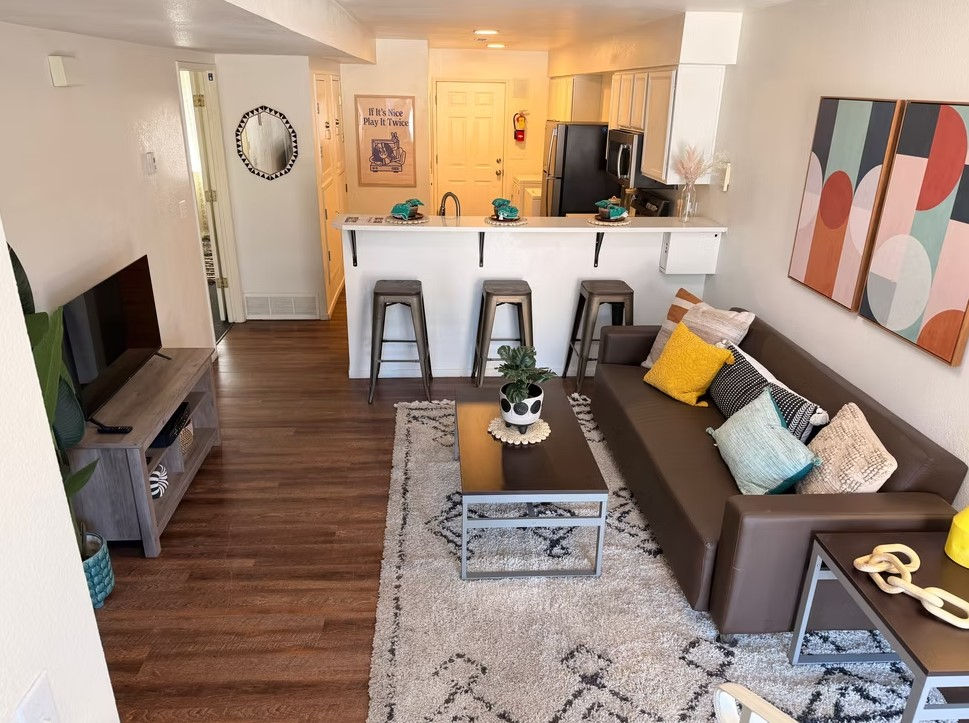
Shared kitchens and living rooms
Flexible roommate arrangements
Study-friendly environments
Splitting rent among roommates often makes apartment living more affordable while still providing comfortable living space.
Apartment living provides independence for students
Moving into an apartment often represents an important step toward independence for undergraduate students. Instead of following residence hall policies, students can establish routines that better match their academic schedules and personal responsibilities.
Apartment living often allows students to:
Set flexible study schedules
Prepare meals in their own kitchens
Manage personal living spaces
Develop routines that support academic success
These advantages explain why many students begin looking for apartment housing during their later undergraduate years.
Transportation options help students move around Tucson
Even when students live close to campus, transportation options can still influence housing decisions. Tucson offers several convenient ways for students to travel around the city.
Students often rely on:
Walking routes to campus
Bicycle commuting along student-friendly streets
Public bus systems connecting neighborhoods
Occasional car use for errands or groceries
Reliable transportation makes it possible for students to live slightly farther from campus while still maintaining easy access to university facilities.
Lease agreements require careful attention
Before signing a lease, undergraduate students should carefully review rental agreements. Many students renting apartments for the first time may not be familiar with lease details and responsibilities.
Important lease considerations include:
Monthly rent and security deposits
Utility responsibilities
Lease duration and renewal policies
Subleasing options
Maintenance expectations
Understanding these terms before signing can help prevent misunderstandings later in the academic year.
Apartment communities shape student experiences
Apartment communities near the university often create social environments where students interact with classmates and neighbors who share similar schedules.
Living in apartment housing can provide:
Opportunities to live with established friend groups
Social interaction with nearby students
Quiet environments for studying
A sense of independence from residence halls
These experiences often contribute to a balanced student lifestyle during undergraduate years.
Comparing housing options helps students find the right fit
Because Tucson offers many apartment communities and housing options, students often compare several properties before deciding where to live.
Students researching Campus Walk Apartments Tucson often consider:
Monthly rent and utilities
Distance from campus buildings
Apartment layout and number of bedrooms
Access to transportation or parking
Taking time to compare these factors can help students find housing that supports both academic success and everyday comfort.

Conclusion
Tucson offers many housing opportunities for students attending the University of Arizona. While residence halls provide convenience during the first year, many undergraduates eventually explore apartment living as they progress through their studies.
By comparing locations, roommate arrangements, and lease agreements, students searching for Campus Walk Apartments Tucson can find housing that supports both their academic goals and their daily routines in Tucson.
Explore housing in Tucson
This article is provided by an independent housing resource and is not affiliated with, endorsed by, or sponsored by the University of Arizona.


Comments