.png)
UH housing safety signals for students
- Ong Ogaslert
- Dec 17, 2025
- 3 min read

Introduction
When searching for off-campus housing near UH, safety is one of the first concerns students think about—but it’s often evaluated in the least structured way. Listings may claim an area is “safe” or “quiet,” but those labels don’t tell you how the property actually functions day to day, especially at night or during low-traffic hours.
That’s why experienced renters rely on UH housing safety signals instead of vague descriptions. These signals help students assess lighting, access control, building layout, and neighborhood patterns before signing a lease. This guide breaks down how UH students evaluate safety realistically during their housing search.

Why safety evaluation near UH requires more than a map
Distance alone doesn’t determine safety. Two apartments equally close to campus can feel completely different depending on:
Street lighting quality
Building access design
Surrounding activity patterns
Time-of-day foot traffic
Students who rely only on proximity or rent often miss these differences.
UH housing safety signals: start with lighting quality
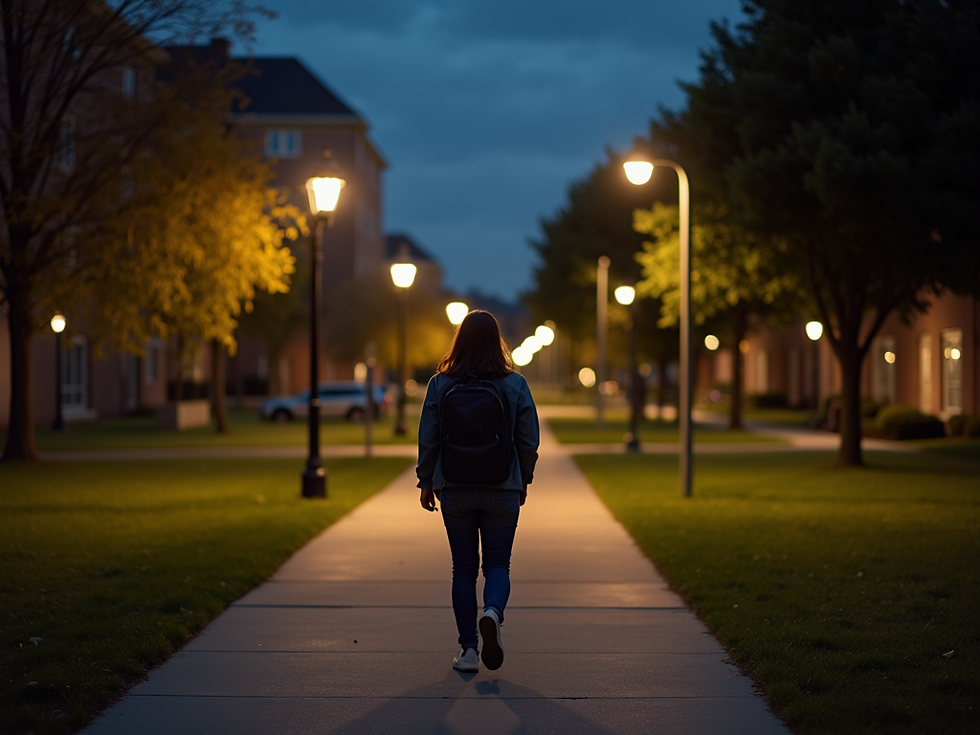
Lighting is one of the strongest safety indicators—and one of the easiest to evaluate.
What students look for
Consistent street lighting along the full route
Well-lit entrances and parking areas
Functional exterior lights (not broken or dim)
Students often check listings using nighttime street-view images when available, or visit the area after dark.
Entry points and access control matter more than labels
“Secure building” can mean many things.
Students verify:
How many entry points the building has
Whether doors are key, code, or fob controlled
If gates are functional or just decorative
Whether doors close and lock automatically
Fewer, well-controlled access points usually mean better security.
Building layout as a safety signal
Layout affects visibility and awareness.
Students prefer:
Entrances facing the street
Clear sightlines from doors to sidewalks
Avoidance of hidden hallways or blind corners
Layouts that discourage isolation tend to feel safer.
Parking and safety go hand in hand
Parking areas often reveal real safety conditions.
Students evaluate:
Lighting in parking lots or garages
Visibility from units or common areas
Controlled access vs. open parking
Poorly lit or hidden parking areas are a common concern—even in otherwise decent neighborhoods.
Neighborhood activity patterns
Safety changes by time of day.
Students observe:
Daytime vs. nighttime foot traffic
Nearby businesses and their hours
Late-night noise or activity patterns
An area that’s lively during the day but empty at night may feel uncomfortable for evening routines.
Routes to campus matter as much as the unit
Safety isn’t just about where you live—it’s about how you get around.
Students assess:
Main vs. side streets
Crosswalk visibility
Areas with consistent foot traffic
Bus stop lighting and shelter
Students often walk their expected route once at night before committing.
Online signals students use early
Before touring, students look for early clues.
Common online safety indicators
Photos showing exterior lighting
Clearly visible entrances
Gated or controlled access shown in images
Consistent maintenance in common areas
Poor lighting or neglected exteriors online often reflect reality.
Asking the right safety questions during tours
Tours are the best time to clarify concerns.
Students ask:
“How is access handled after hours?”
“Are exterior lights on timers or sensors?”
“Has security changed recently?”
“Are there quiet hours or monitoring?”
The quality of answers often matters more than the answers themselves.
Balancing safety with rent and distance
Safer-feeling housing sometimes costs more—or requires compromise.
Students decide:
Is slightly higher rent worth better lighting and access?
Is a longer commute acceptable for a safer route?
Can roommates offset costs in a safer area?
Intentional tradeoffs reduce regret later.
Red flags UH students take seriously
Common warning signs
Dark entrances or walkways
Broken locks or gates
Refusal to discuss security measures
Inconsistent information across staff
Multiple red flags usually mean keep searching.
Roommates and safety expectations
Shared housing works best when expectations align.
Students discuss:
Locking habits
Guest policies
Package handling
Communication about concerns
Good habits improve safety regardless of location.
Documenting safety conditions before move-in
Students protect themselves by documenting conditions.
Before move-in:
Take photos of lighting and entry points
Note lock condition
Report issues in writing
This creates accountability from day one.
Why safety evaluation improves long-term comfort
Students who evaluate safety early:
Feel more comfortable coming home late
Worry less about daily routines
Focus more on academics and work
Safety confidence affects quality of life more than most amenities.
Conclusion
Housing safety near UH isn’t about guarantees—it’s about signals. By using these UH housing safety signals—evaluating lighting, access control, layout, parking areas, and neighborhood patterns—students make informed decisions that support both comfort and peace of mind.
A place that feels safe lets you focus on everything else that matters.


Comments